


Kenyan Intelligence Exposes Network Recruiting More Than 1,000 Nationals to Fight for Russia
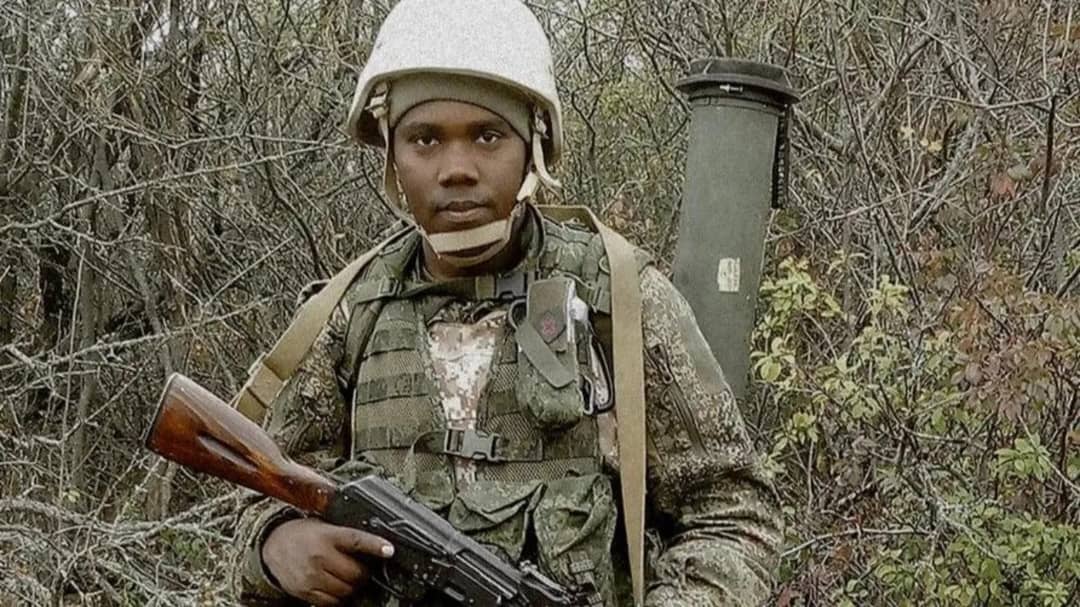
Kenya’s National Intelligence Service (NIS) has delivered a sobering assessment to Parliament, concluding that more than 1,000 Kenyan nationals have been recruited to fight on behalf of Russia in the conflict in Ukraine, with dozens already deployed, injured or dead and scores more missing or stranded in military camps abroad.
Presented Wednesday by majority leader Kimani Ichung’wah, the intelligence dossier paints a picture of an organised criminal enterprise that enlisted recruitment agencies and corrupted state employees to traffic Kenyans into Russian service. The report says 89 Kenyans were fighting on the front lines as of February, 35 were being held in military training camps in Russia, 39 had returned injured, 28 were missing and at least one Kenyan had died. Authorities say 27 fighters have been repatriated to date.
Ichung’wah described a “deeply disturbing” collusion between rogue recruitment outfits and officials at multiple state agencies — including airport staff, immigration officers, Directorate of Criminal Investigations personnel, anti-narcotics officers and staff at the National Employment Authority — which allegedly enabled applicants to obtain travel documents and leave the country. The probe also alleges that some embassy staff both at the Russian embassy in Nairobi and the Kenyan embassy in Moscow were complicit in enabling visa issuance and other travel facilitation.
The Russian embassy in Nairobi issued a statement on Thursday strongly rejecting the claims, calling them “dangerous and misleading.” The embassy said it has not issued visas to Kenyans for the purpose of joining Russian military operations and that it does not recruit foreigners, while noting that Russian law permits foreign nationals resident in Russia to volunteer for service.
According to the intelligence report, recruiters targeted mainly ex-military personnel, former police officers and unemployed men aged roughly 20–50, luring them with promises of high pay and substantial signing bonuses. Advertised compensation packages of up to KSh 350,000 per month and bonuses between KSh 900,000 and KSh 1.2 million reportedly persuaded many to sign up. But the report says that upon arrival recruits frequently discovered they were being placed directly into front-line combat roles after only minimal training.
“You are told you are going to work as a guard… only to get there and you are taken to military camps,” Ichung’wah told MPs. “You’ve only trained for three weeks. They are basically just giving you a gun to go and die.” The document says some recruits received as little as nine days of explosives and weapons training before being forwarded to combat positions.
Investigators say traffickers originally moved recruits through Jomo Kenyatta International Airport using tourist visas and transit routes through Turkey and the United Arab Emirates. As security tightened at JKIA, networks adapted, rerouting candidates through South Africa, Uganda and other neighbouring states to evade detection.
The NIS named a number of suspected rogue agencies and referenced medical facilities used to screen recruits, and Kenyan authorities say several suspects — including an alleged mastermind — remain under active investigation, with additional arrests expected. Officials are also working to identify and rescue Kenyans still trapped in the conflict theatre.
The revelations have intensified pressure on the government to act. Foreign Minister Musalia Mudavadi told the BBC last week that Nairobi had shut down more than 600 recruitment agencies suspected of duping Kenyans with false overseas job offers. He said Kenya is engaged in talks with Russia about visa policy and bilateral labour agreements intended to specifically exclude any form of military conscription, and that he will travel to Moscow next month to press the issue.
Mudavadi said psychological support is being provided to returnees as part of efforts to address trauma and “de-radicalise” those who were recruited. Nairobi has also asked Moscow to bar the conscription or enlistment of Kenyan nationals.
The disclosures come amid growing international concern over the recruitment of foreign fighters by both sides of the Russia–Ukraine conflict. Kyiv’s foreign ministry said last November that more than 1,400 people from 36 African countries had been recruited to fight for Russia. Ukrainian officials have repeatedly warned that those who take up arms for Russia will be treated as enemy combatants if captured, urging foreign recruits to surrender rather than continue fighting.
Kenyan authorities said investigations remain ongoing as they seek additional suspects, pursue arrests and attempt to repatriate and rehabilitate nationals who were recruited, transported or coerced into the war. The government has also referred the matter to the foreign ministry for further diplomatic engagement and has urged vigilance among Kenyans considering overseas employment opportunities.




0 Comment(s)